
Return to Paestum in the summer of 2026
Jul 13
3 min read
Updated: Jul 18
Here we are again with a new post. We will be talking about a trip we took to a place we particularly love: Paestum—ancient Poseidonia. This site, comprising the archaeological area and its museum, is located in the municipality of Capaccio Paestum in the province of Salerno and is one of the major tourist attractions in our region of Campania.
We discovered some significant changes compared to our last visit in 2020. The first major update is the merger of the Paestum archaeological site with that of Velia—ancient Elea, home to the Eleatic school of philosophy. This merger created a new entity, the Archaeological Parks of Paestum and Velia; the general overview below is taken from their website, where you can also find detailed information:
The Archaeological Parks of Paestum and Velia preserve and recount the millennia-long history of the Paestum region, allowing visitors to journey into the heart of Magna Graecia. Renowned for their timeless beauty, the parks are counted among the best-preserved sites of Magna Graecia and were granted UNESCO recognition in 1998.
World-famous for their majestic Doric temples, the archaeological parks encompass a priceless heritage. In addition to the Paestum archaeological site, the parks include the National Archaeological Museum, the ancient city of Velia, the Museum of Hera Argiva at the mouth of the Sele River, and the former Cirio factory.
The second new development—and the most positive one for COMMA 2 users—is that the pathway within the temple area has been completely paved with concrete, making it easily navigable by wheelchair and allowing visitors to view all three temples up close.
The third update is the renovation of the National Archaeological Museum (*), which is also fully accessible to us via ramps and elevators.
As usual, after introducing the subject of this post, we move on to our photos, starting with the Archaeological Area:


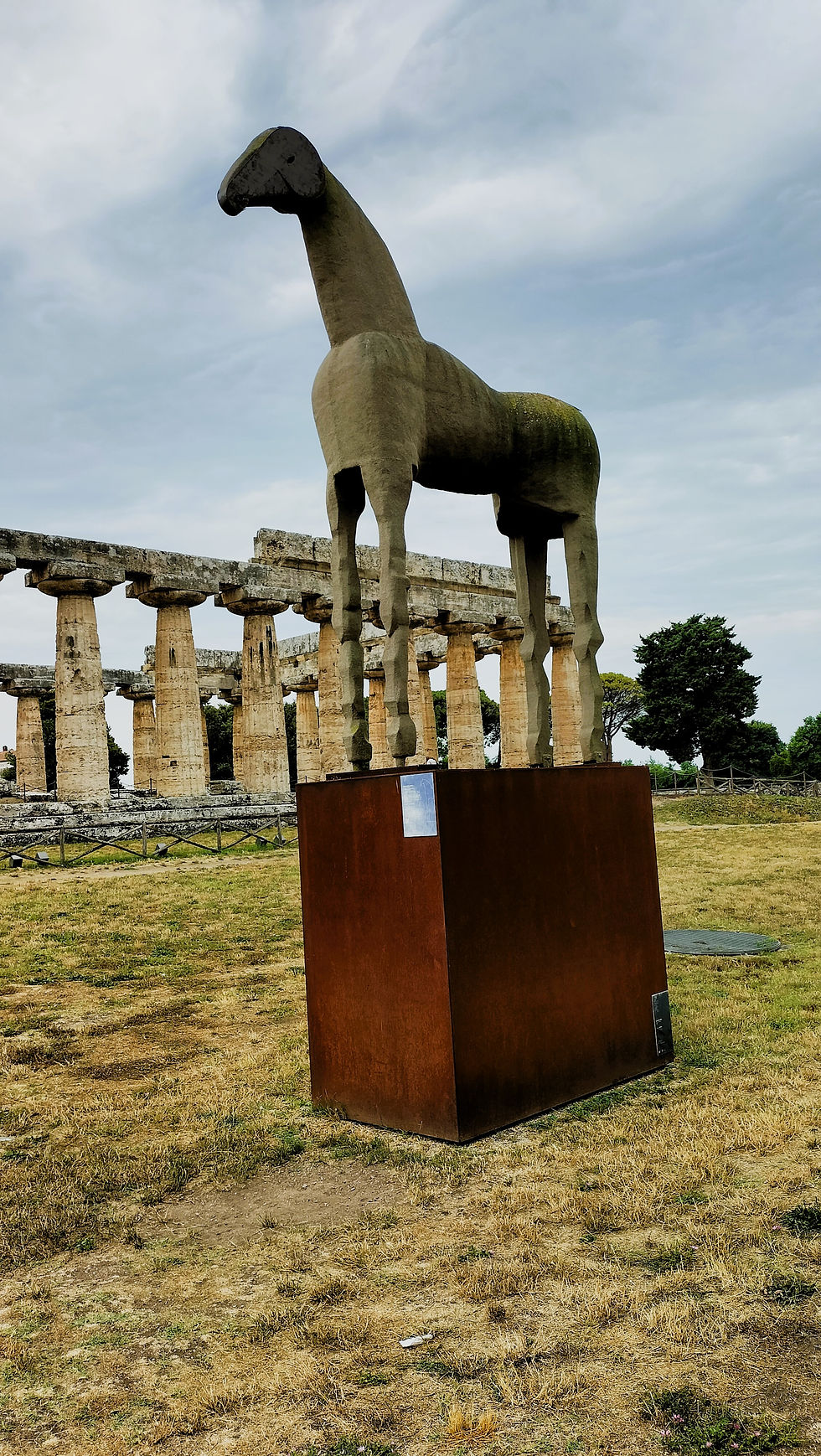

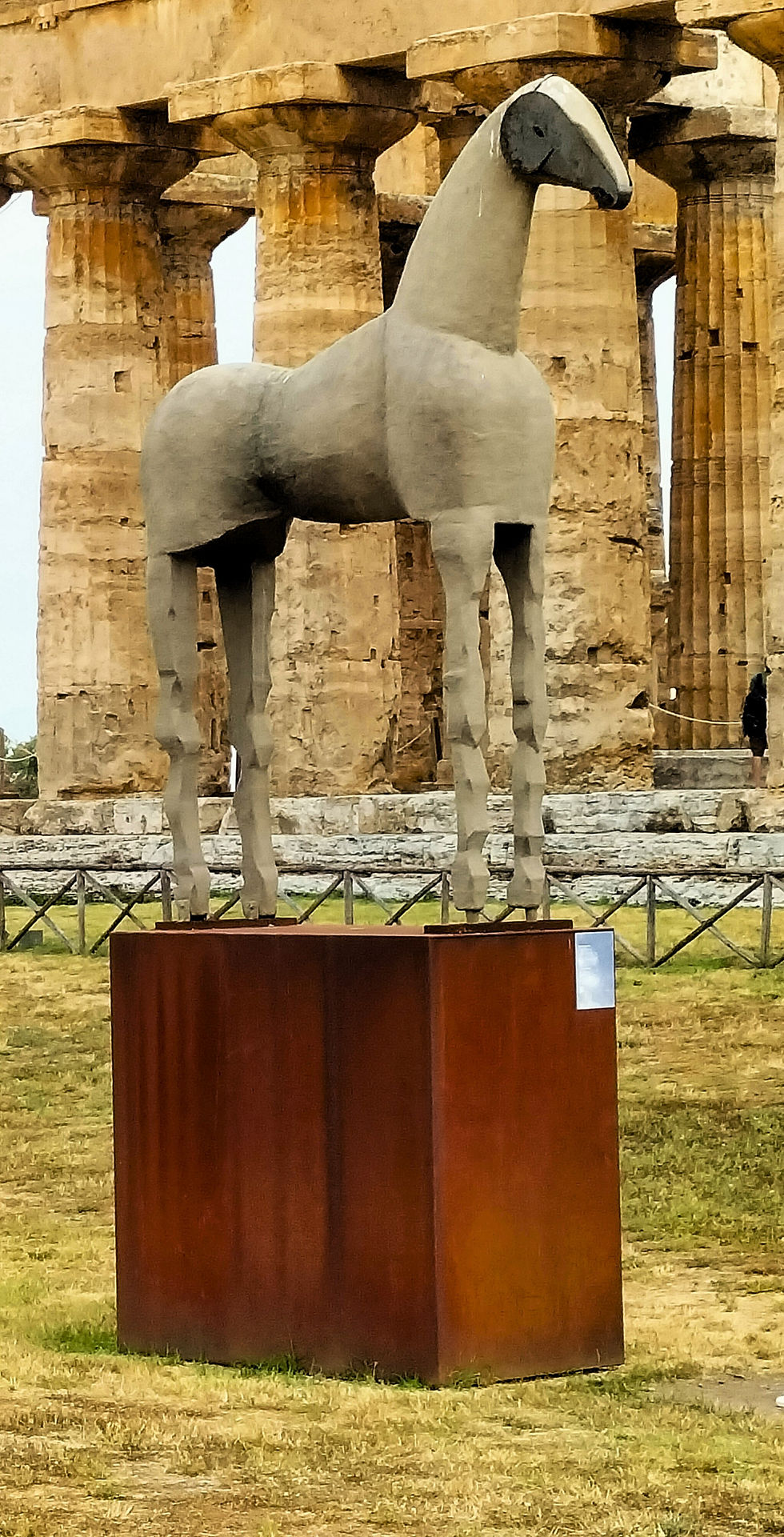


After completing the tour of the Archaeological Area, we headed straight to the National Archaeological Museum of Paestum (*). On display there—among other items—are artifacts recovered from the Archaeological Area and the site of the Heraion at the Sele (not yet open to visitors), as well as magnificent frescoed tombs, including the world-famous Tomb of the Diver:


Let us now take a look at the other artifacts in the Paestum Museum:


The prehistoric section is housed on the museum's lower level; its most significant artifact is the so-called "Tomba del Sequestro della Finanza" (Tomb of the Guardia di Finanza Seizure). It is a large chamber tomb with decorated walls that was looted from the Spinazzo necropolis and recovered in Taranto in 1976 by the Guardia di Finanza. The tomb dates back to the first half of the 3rd century BC, a period when relations between the Lucanians and Rome were consolidating, coinciding with the founding of the Latin colony of Paestum (273 BC).


Now that the archaeological portion of our stay has concluded, it is only right to share where we stayed during the week. We are talking about the Maragià Resort (link here), a fully accessible hotel featuring spacious rooms for guests with disabilities—complete with two bathrooms—a swimming pool (including a children's pool) accessible via a JOB chair, and a shuttle golf-car running continuously to and from the beach. Here are a few photos:
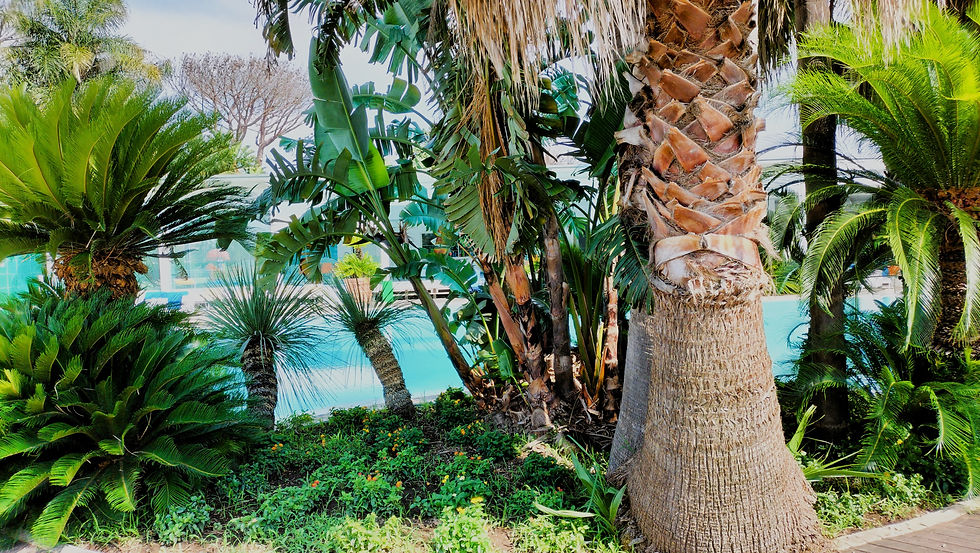


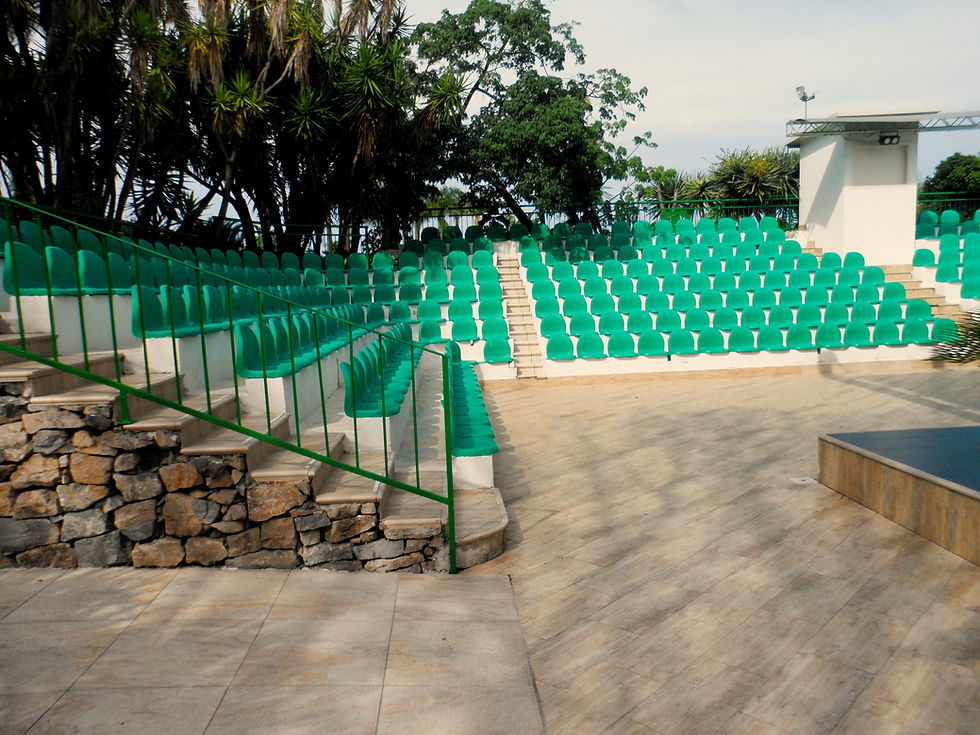

The hotel has its own accessible beach area, with a lifeguard team that assists wheelchair users in reaching their sun umbrella and using the JOB chair:


And to wrap things up on a high note, here are a few photos of the dishes we tasted at the Nonna Sceppa (*) restaurant (link here)—our favorite culinary stop in Paestum:


SEE YOU NEXT TIME!!!
(*) symbol indicating the presence of accessible restrooms
Comments