
Mirò and the women of Spanish Naples
Jan 31
2 min read
Here we are again, trapped in the January 2026 cold that discourages us from leaving the house for walks and excursions. But every now and then, we need to get some fresh air and nourish our minds, perhaps with a good exhibition.
And indeed, we found two beautiful exhibitions, in two of Naples' accessible museums that we often visit. The first exhibition we'd like to tell you about is WOMEN IN SPANISH NAPLES. ANOTHER SEVENTEENTH CENTURY (see the previous link), held at the Gallerie d'Italia (*) (TOLEDO station on Metro Line 1) until March 22, 2026.
It features a series of works created in 17th-century Naples by women artists or by male artists depicting women artists. In addition to the more well-known Artemisia Gentileschi, other artists on display include Diana Di Rosa, Andreana Basile, Teresa Del Po, and Luisa Ignacia Roldan Villavicencio.
Some images of the works that struck us most:


Let's now talk about the second exhibition we visited in this period, namely JOAN MIRÓ: TO THEN ARRIVE AT THE SOUL, which is held in the exhibition space of the Basilica of Santa Maria Maggiore in Pietrasanta (*) (see the previous link) until April 19, 2026 (DANTE station on Metro Line 1, then take Port'Alba and Via dei Tribunali). To better orient ourselves in the art of the great Catalan master, we read this text edited by Achille Bonito Oliva and Vittoria Mainolfi and taken from the Pietrasanta website:
[...]
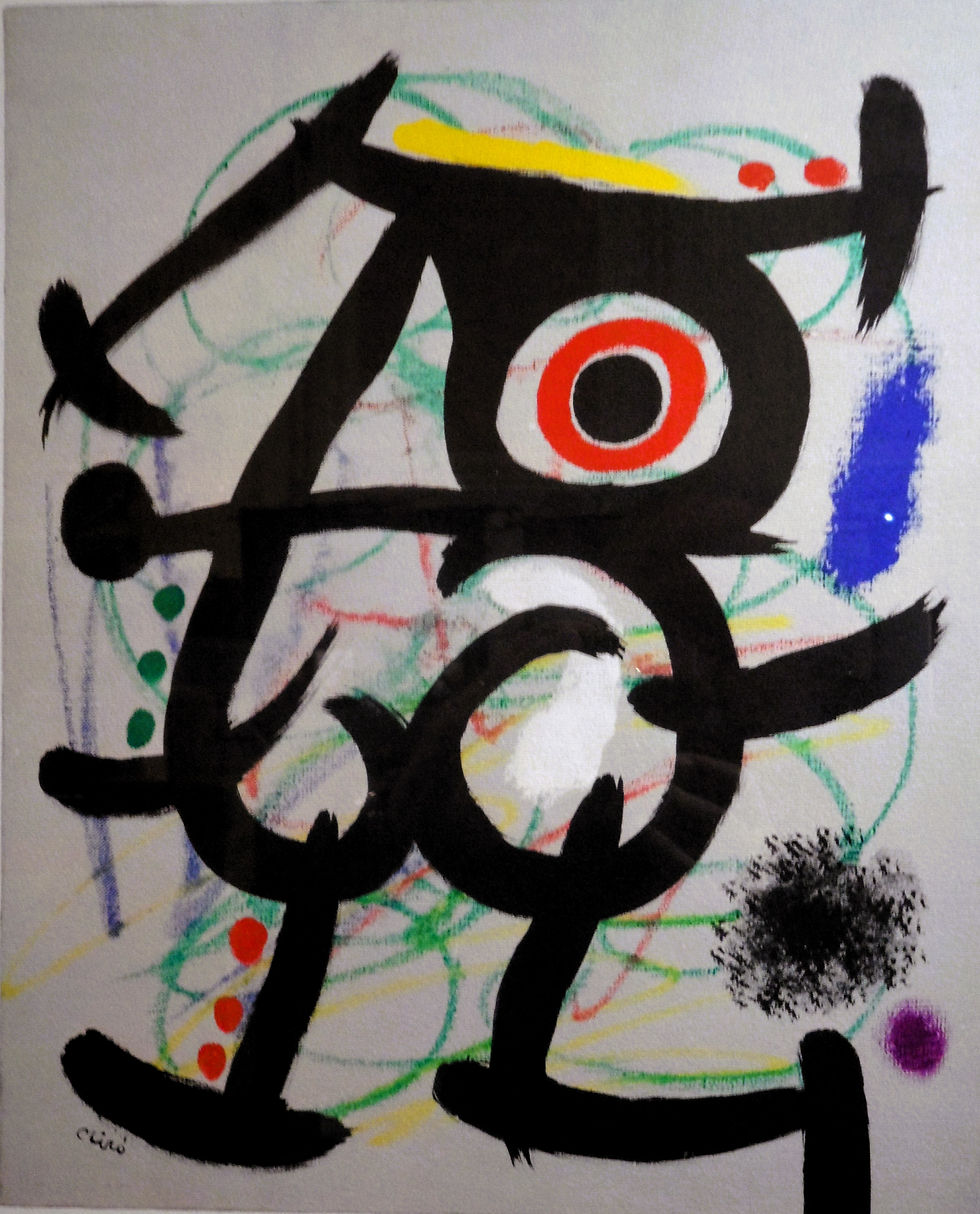
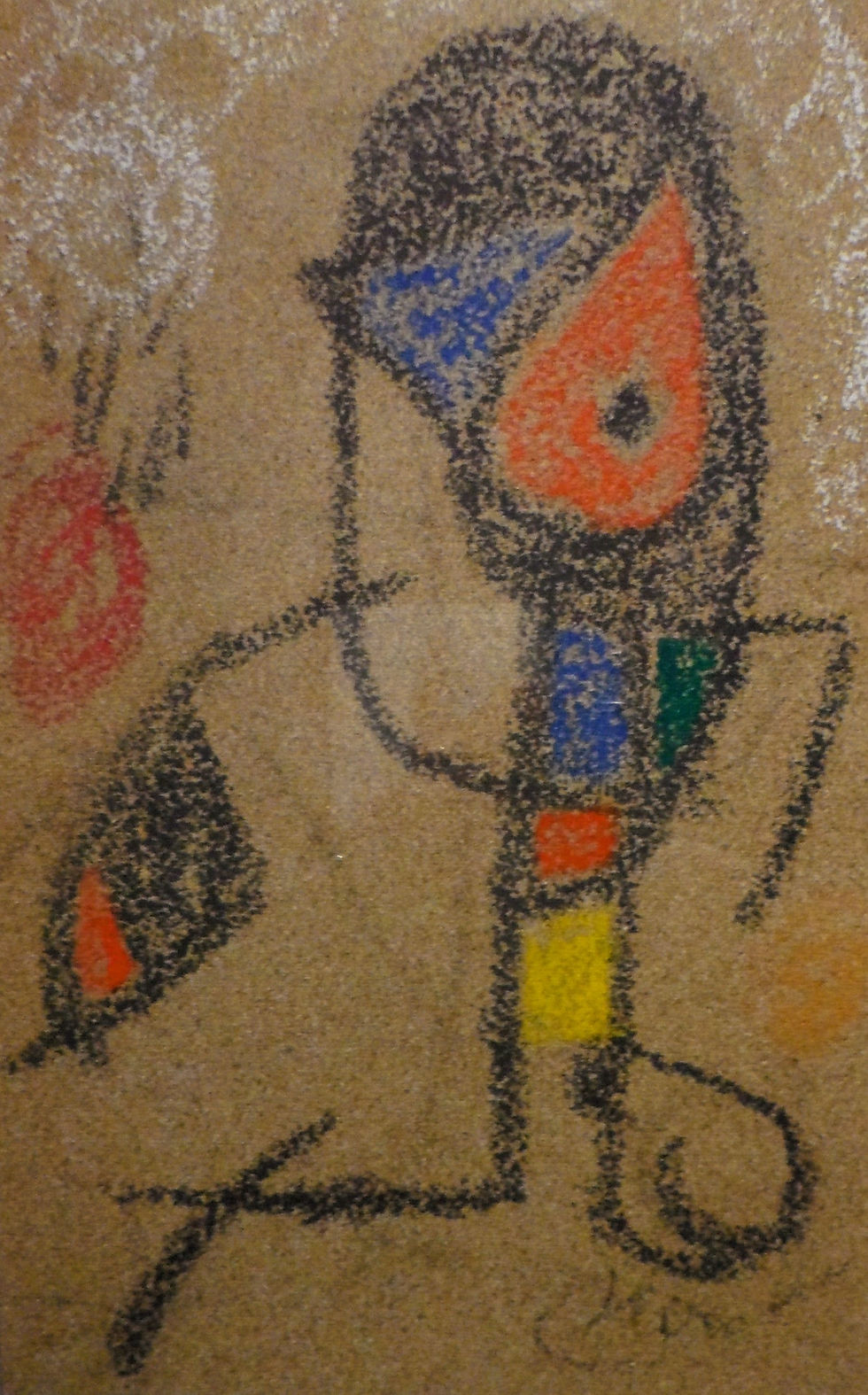
Graphic design assumed primary importance in the 20th century and was often the medium of choice for avant-garde artists seeking to experiment and renew their artistic language. This was certainly the case with Joan Miró, who approached printmaking as one of the many expressive possibilities within his technical eclecticism, later transforming it into his preferred form of expression, especially in the second half of his career.
This exhibition, through a significant body of Miró's graphic works, aims to retrace the artist's relationship with various printmaking techniques and to focus on his production for art books, illustrations, and his collaborations with poets and publishers, highlighting a lesser-known, yet central, aspect of the Catalan master's poetics.
Let's take a look at some of our favorite works:






SEE YOU NEXT TIME!!!
(*) symbol indicating the presence of accessible restrooms
Comments