
Inland Campania between Irpinia and Sannio
Apr 27
4 min read
We're back, and this time we're focusing on our region, Campania, and specifically on two inland areas: Irpinia and Sannio, which coincide with the provinces of Avellino and Benevento, respectively.
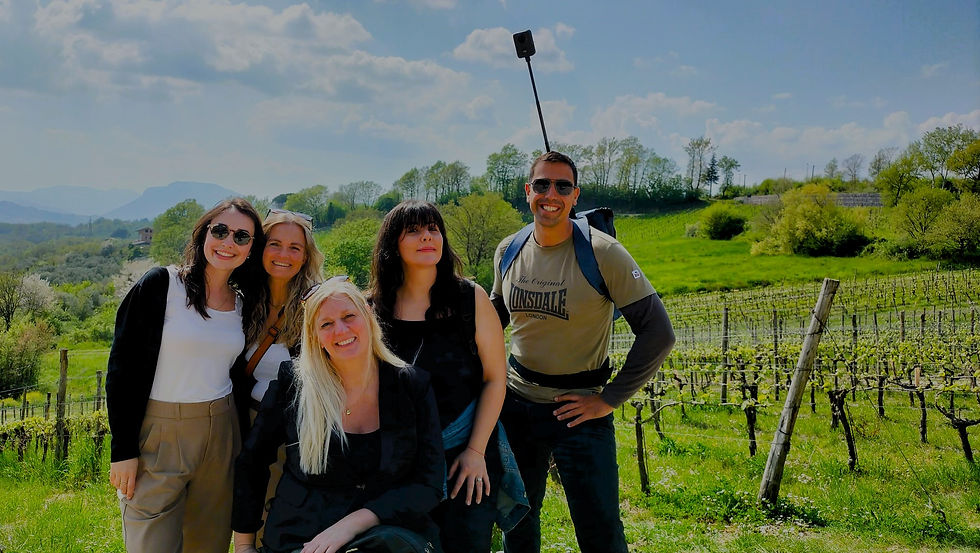
We were invited to participate in the first Educational Trip organized by the Neapolitan tour operator Cosy for You (here's the link to their Facebook page) and the consulting agency DAMA (Destination Accessibility Management Agency), which published an extensive report on the initiative, which can be found at this link. Below is the text from a post dedicated to the initiative on April 23rd:
The first Educational Trip focused on accessible tourism in the Campania Region is underway, involving an all-female team of tour operators for this special occasion, an all-female journey through the beauty of our region.
Our goal is twofold:
Promote accessibility: make Campania's artistic and cultural heritage accessible to all, without limitations
Empowering Female Leadership: Demonstrating how women's vision in the tourism sector can drive change toward a more empathetic, caring, and sustainable model.
Special thanks to the professionals who enthusiastically participated, studying and mapping the accessibility of our destinations:
Our International Tour Operators:
- Susanne Nielsen (Sus Travel – Denmark)
- Fatma Ersel (Managing Director, @Esti Travel – Estonia)
- Cindy Fabbricelli (President & Founder, Travel Hand – France).
The tour took place on April 17 and 18, 2026, dedicated to Irpinia and Sannio, respectively, and we will try to provide as comprehensive a report as possible.
Let's start with the Irpinia tour on the 17th, and specifically the former Bourbon Prison in Avellino, which now houses the Irpinia Museum (*); The museum features archaeological finds from Aeclanum, Rocca San Felice, Atripalda, and the prehistoric site in Starza di Ariano Irpino. Other sections include the art gallery, the Risorgimento gallery, and the science gallery.
Also impressive is the view of the ancient prison cells, which once housed many patriots of the Risorgimento. Below are some images of the structure and the finds:


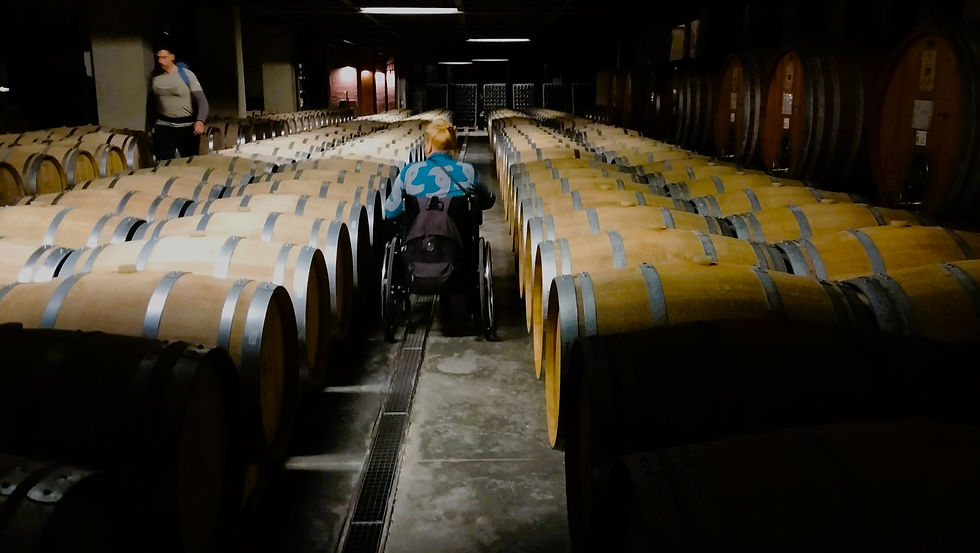
Our next experience brought us to discover, and, so to speak, taste, one of Italy's most important food and wine producers. We're talking about Borgo San Gregorio (*), the estate where Feudi di San Gregorio wines are produced and can be tasted in the gourmet restaurant and small bistro, as we were delighted to do. The Borgo also offers overnight accommodations, and there are two rooms equipped for disabled guests.






The day in Irpinia concluded in Avella, an ancient city with prehistoric roots and a significant Roman center. The city's history is illustrated in the Immersive Archaeological Museum (M.I.A.) (*), housed in the Baronial Palace of the Irpinia town. From the Ministry of Culture website:
The MIA in Avella (AV) is an immersive archaeological museum featuring a technological exhibit located in the city's Baronial Palace.
This project is part of the Sistema Irpinia territorial development plan. It consists of a multimedia exhibit featuring projections, graphic design, talking paintings, and virtual reality stations, used to tell the story of Avella and the Palace, from the first settlements in the area, through Roman and medieval Avella, up to the 19th century and modern Avella. The museum also has stations dedicated to the blind and visually impaired.
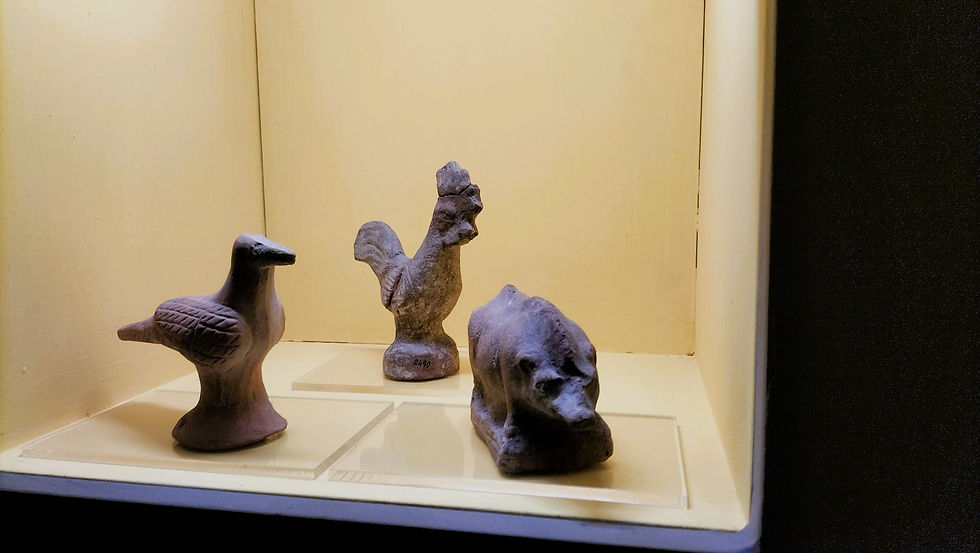
Below are our images of the physical archaeological finds collected in the museum (but the multimedia sections are really effective):




The sculptures installed in this room reproduce hazelnut trees, while the peels of the fruit that is the symbol of the city are scattered on the floor:


And this is what you can see from afar of the Roman Amphitheatre of Avella, now closed for restoration:

The day concluded with a delicious dinner of bean and escarole soup, chestnuts and chickpeas, followed by meat and Avellana cassata, all enjoyed at another accessible restaurant, Casale Il Clanio (*).
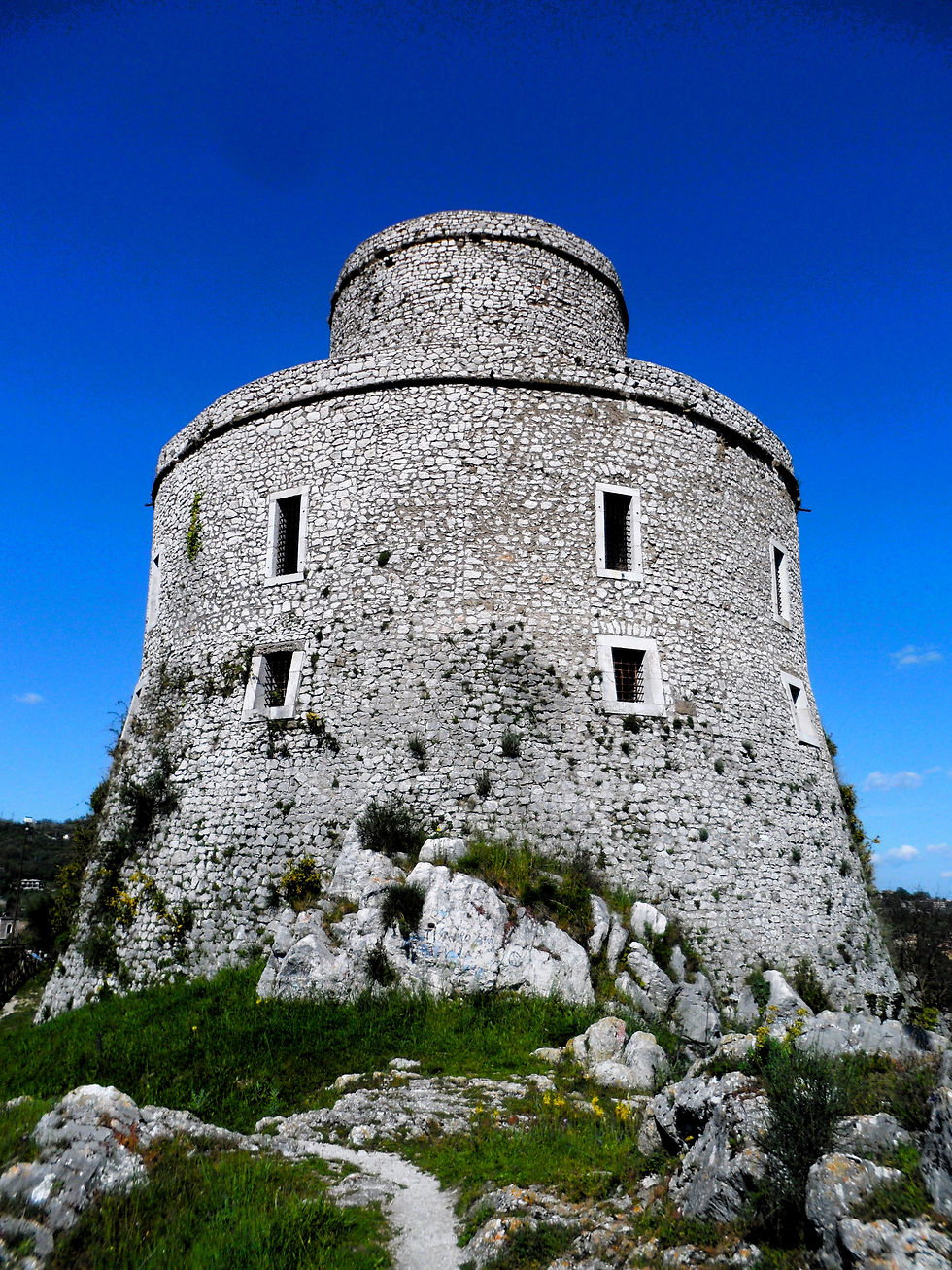
April 18th, the day dedicated to the Sannio region, began with a visit to Montesarchio, an important town in the province of Benevento, overlooked by a hill on which the Castle Tower and Montesarchio Castle are located.
The tower is inaccessible to the persons with disability, so we admire it from the outside:

From the square on the hill this is the view:


And this is the Castle, of Lombard origin, inside which is the National Archaeological Museum of Sannio Caudino(*). Make sure the elevator is working because the building is definitely worth a visit.

The museum's highlight is undoubtedly the so-called Assteass Krater, named after the artist who created it in Paestum in the 4th century BC. In 1973, the vase was discovered by chance during excavation work in the municipality of Sant'Agata dei Goti. Sold illegally for one million lire and a piglet, it became a target of illicit trafficking and in 1981 was purchased by the Getty Museum in Malibu. In 2007, it was returned to Italy after a lengthy investigation.


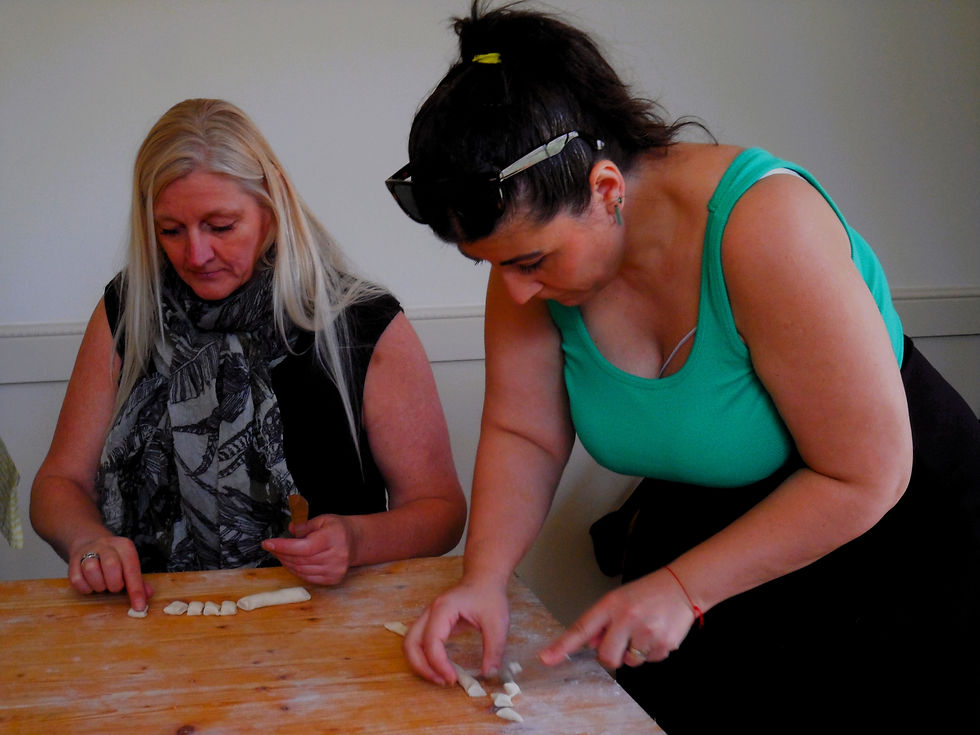
For lunch, the Cosy for You organization took us to the Colle d'Ercole (*) farmhouse restaurant, beautifully located on the hill, where we also had the opportunity to experience how to make orecchiette and fusilli by hand.




And after lunch, a fitting conclusion to the two-day tour was a visit to Benevento, a city steeped in history, the capital of an important Lombard duchy in the 8th century AD, and rich in monuments and art.
We begin walking down the elegant Corso Garibaldi, starting from the Rocca dei Rettori and ending at the Arch of Trajan.

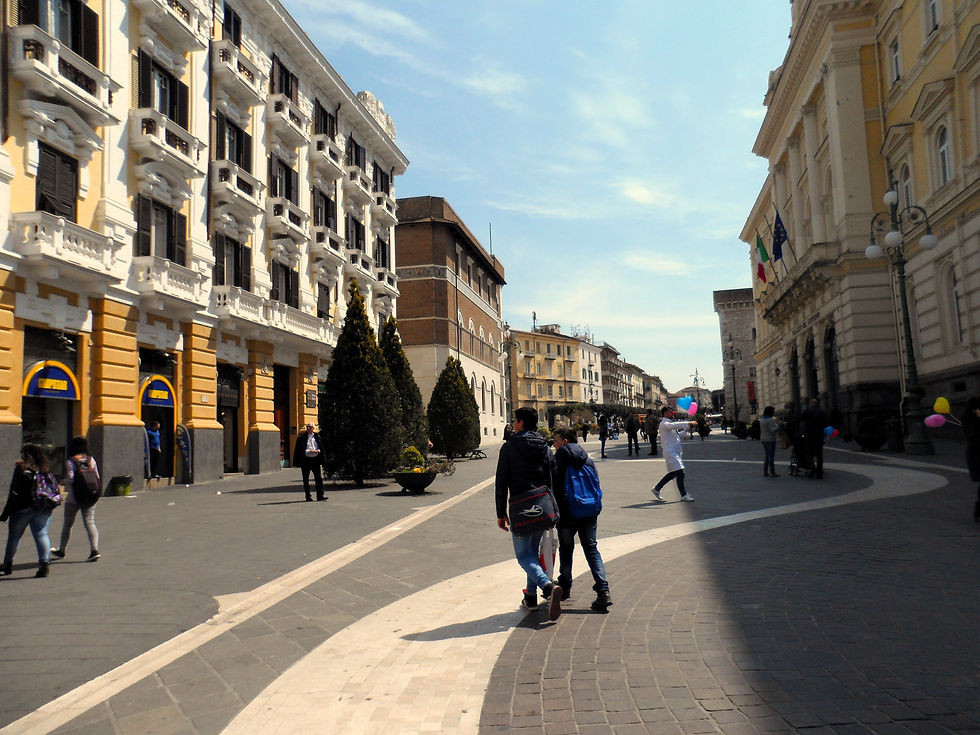

Here we are at the church of Santa Sofia:


Adjacent to the church we find a small garden with stone finds from which you can access the cloister:


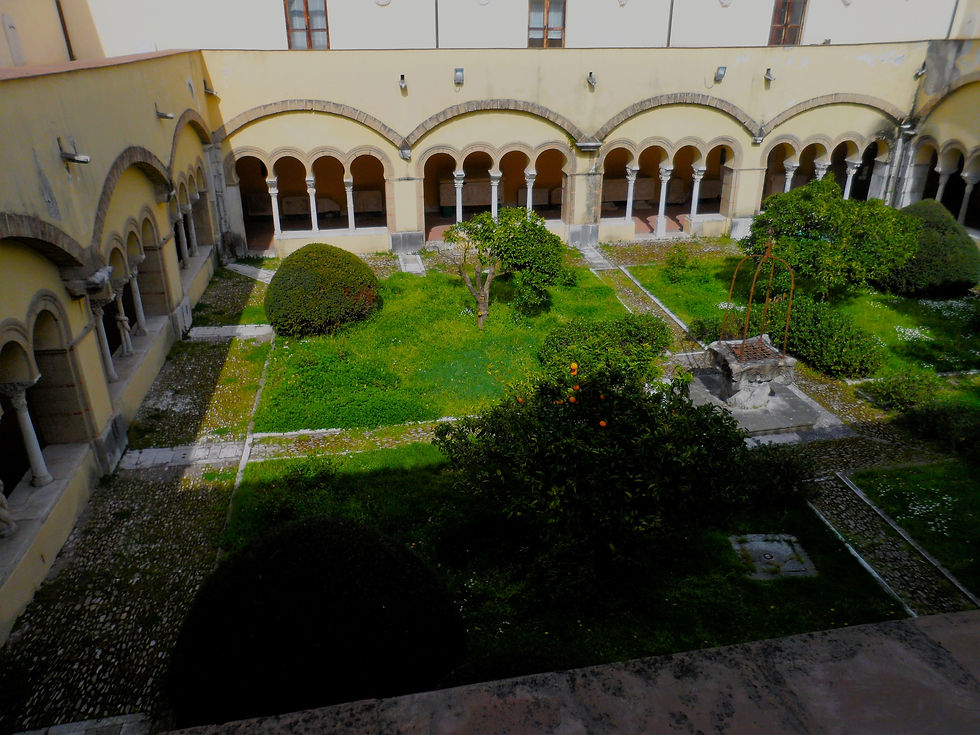
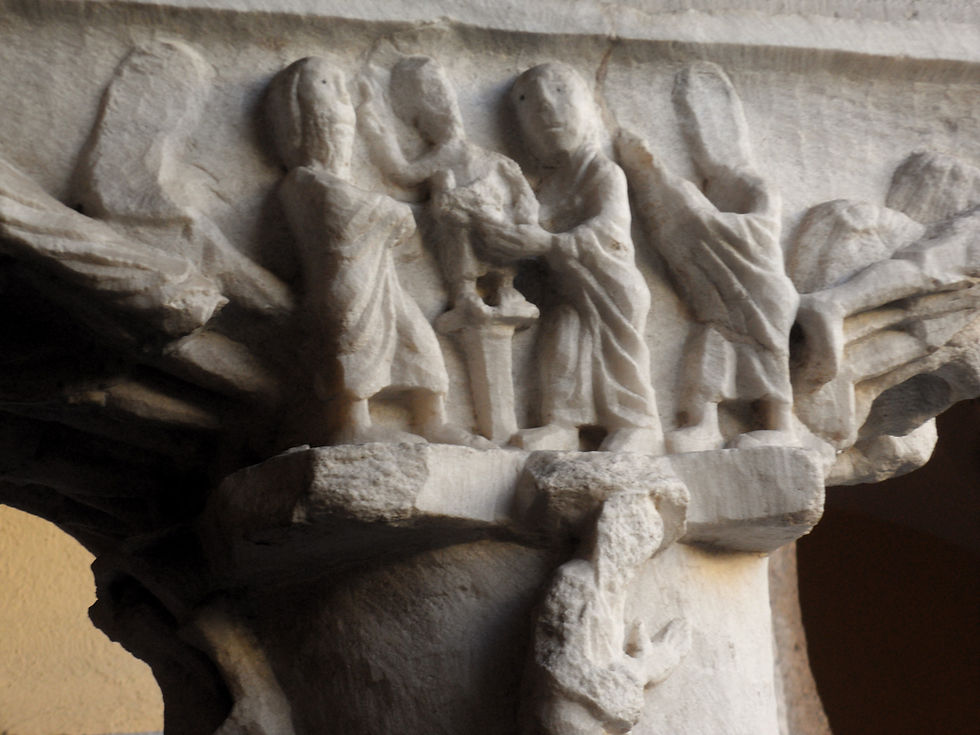
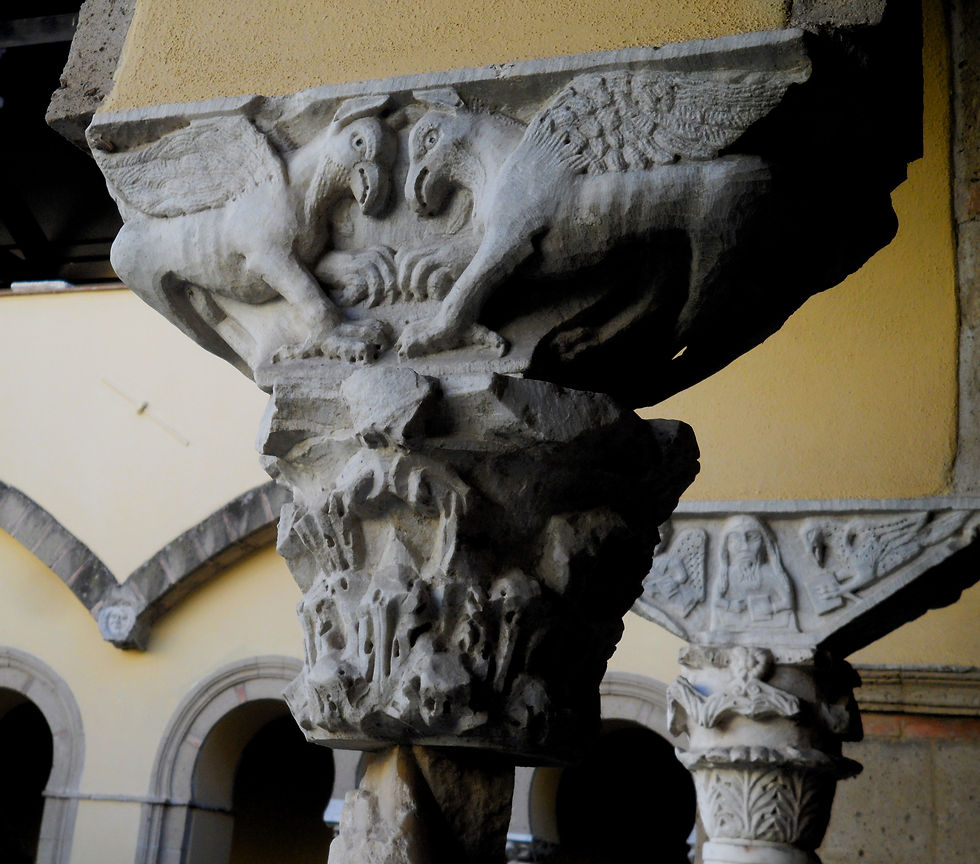
The capitals of the columns in the cloister are all different from each other, we offer a selection:





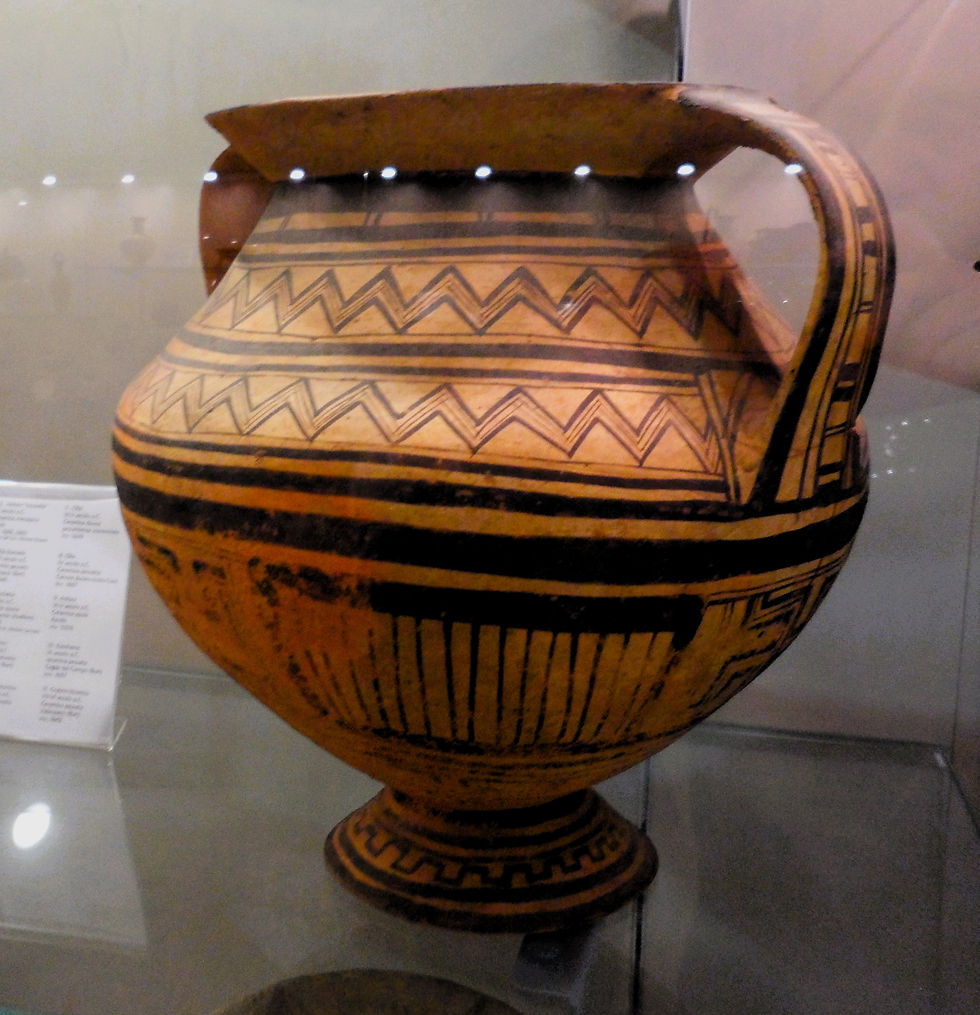
And from the cloister you can access the Sannio Museum (*), which collects archaeological finds and historical testimonies from all eras relating to the Benevento area:


And after visiting the Sannio Museum we return to Corso Garibaldi and arrive at the Arch of Trajan, a very famous monument from the Roman era:


Thus ends our tour of Sannio and the Educational Trip organized by Cosy for You. We thank Ileana Esposito Lepre again for inviting us, allowing us to discover some of the lesser-known and less visible aspects of our region, which piqued the interest of the European tour operators hosted during the two-day event.
SEE YOU NEXT TIME!!
(*) symbol indicating the presence of accessible restrooms
Comments